
Dry granulator

Description
YSGK series dry granulator is our advanced model, which can granulate mixed powder directly. The main structure consists of feeding system, tablet pressing system, granulation system and dust collecting system.
The machine adopts the latest pressure roller control technology, the material goes into the hopper, passes through the screw to the press wheel for tablet pressing, and then enters the granulation box for second pass granulation, and the side end dust removal system recovers the dust.

Advantage
- The structure of the machine is changed from built-in to external, so that the whole tablet pressing/granulation process can be seen through the plexiglass
- Equipped with dust removal system, covering the entire tablet pressing and pelletizing process, to recover dust and protect the working environment and operator’s health
- The whole process is controlled by PLC, which is only convenient and can be started by one key, saving labor and time cost
- Simple and beautiful appearance, small footprint, space saving
- Very easy to clean and disassemble, reduce the dust in the granulation process and improve the yield rate.
- The booster parts use new gas-hydraulic booster cylinder, which gets the working oil pressure by inputting compressed air, very environmental friendly
- The whole machine shell is made of stainless steel, smooth and no dead angle, in line with GMP requirements.

Technical data
Type | YDGK-25 | YDGK-50 | YDGK-100 |
Capacity (kg/h) | 2-10 | 10-50 | 30-150 |
Fineness of granule (mm) | 0.3-2.0 | 0.3-2.0 | 0.3-20 |
Total motor (kw) | 4.5 | 5 | 10 |
Working pressure (kn) | 40 | 100 | 198 |
Dimension (mm) | 1500*1000*1500 | 1500*1000*1500 | 2000*1800*2000 |
Weight (kg) | 450 | 500 | 2000 |
Dry Granulator – The Complete FAQ Guide
Owning a dry granulator, especially if you are in an industry that needs it is a ton of help. Not only will you be worrying about where you can do the process, but you will also have complete knowledge of what it is, how it will be helpful for you and your business, and many more!
So, here’s an FAQ that you can use as a basis in choosing a dry granulator!
What is the Dry Granulation Method?
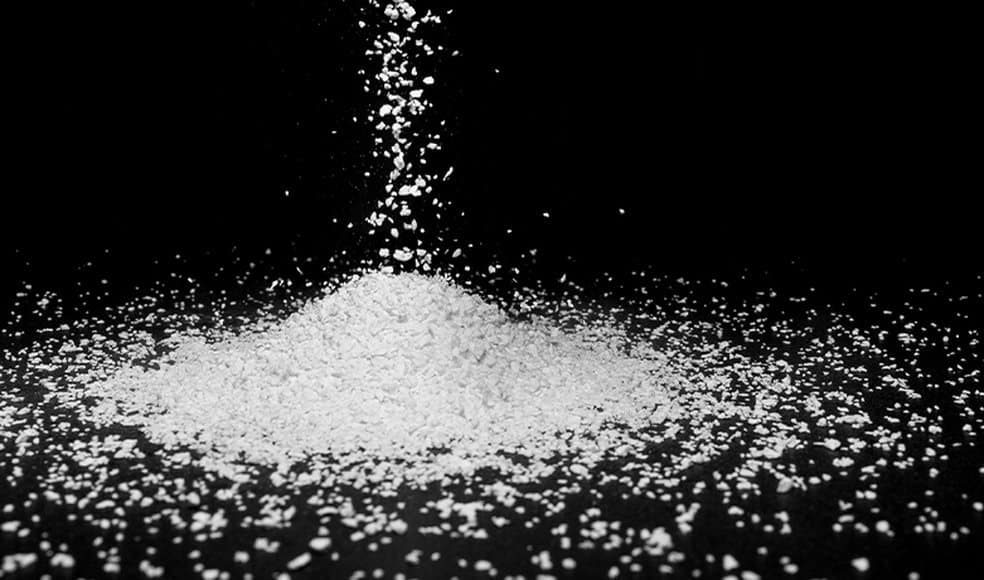
Figure 1 – An image of what dry granulation results look like
Dry granulation is the manufacturing procedure that is done and used to form and come up with granules without the presence and the use of liquid solutions. Why? Because the products or constituents you’re dealing with could be sensitive to heat, moisture and could quite possibly react to it in a negative way.
In simpler and easier terms, this method involves the agglomeration of dry particles and powders. You wouldn’t need any type of liquid for it to transform to what you want it to become, and instead, adhesion can be the name of the game.
What is a Dry Granulator?

Figure 2 – An image of a dry granulator
A dry granulator is a type of specialized machine that is used for the purpose of dry granulating particles into fine powders to be used for their specific applications.
These machines won’t need any type of liquid in order for them to be pushed and transformed, but they would often require some type of dry powder densification for the agglomeration and mixing of the particles.
Wet Granulation vs. Dry Granulation: Which Is Better?

Figure 3 – How wet granulation looks like
Now, when it comes to choosing between wet and dry granulation methods, it will be vague and challenging to give concrete scenarios of which one is better without checking all the factors involved. Now, here is a brief table that outlines the difference between wet and dry granulation:
Wet Granulation | Dry Granulation |
Will need liquids in order to granulate and facilitate the agglomeration of the products completely. There are many different kinds and types of wet granulation techniques. | Does not need liquids to facilitate the agglomeration of the product; will need to use mechanical compressors or rollers for agglomeration. |
Energy intensive and can be a bit risky and dangerous for workers and operators. | Not that intensive because it would not require a lot of components and constituents. |
Higher energy bills overall. | Low-cost in electricity. |
There’s liquid and other constituents involved in the process, so, even if they’re compacted directly, there are other factors involved. | The granules are compacted directly to one another, which ultimately leads to densification. |
What Do Dry Granulators Produce?
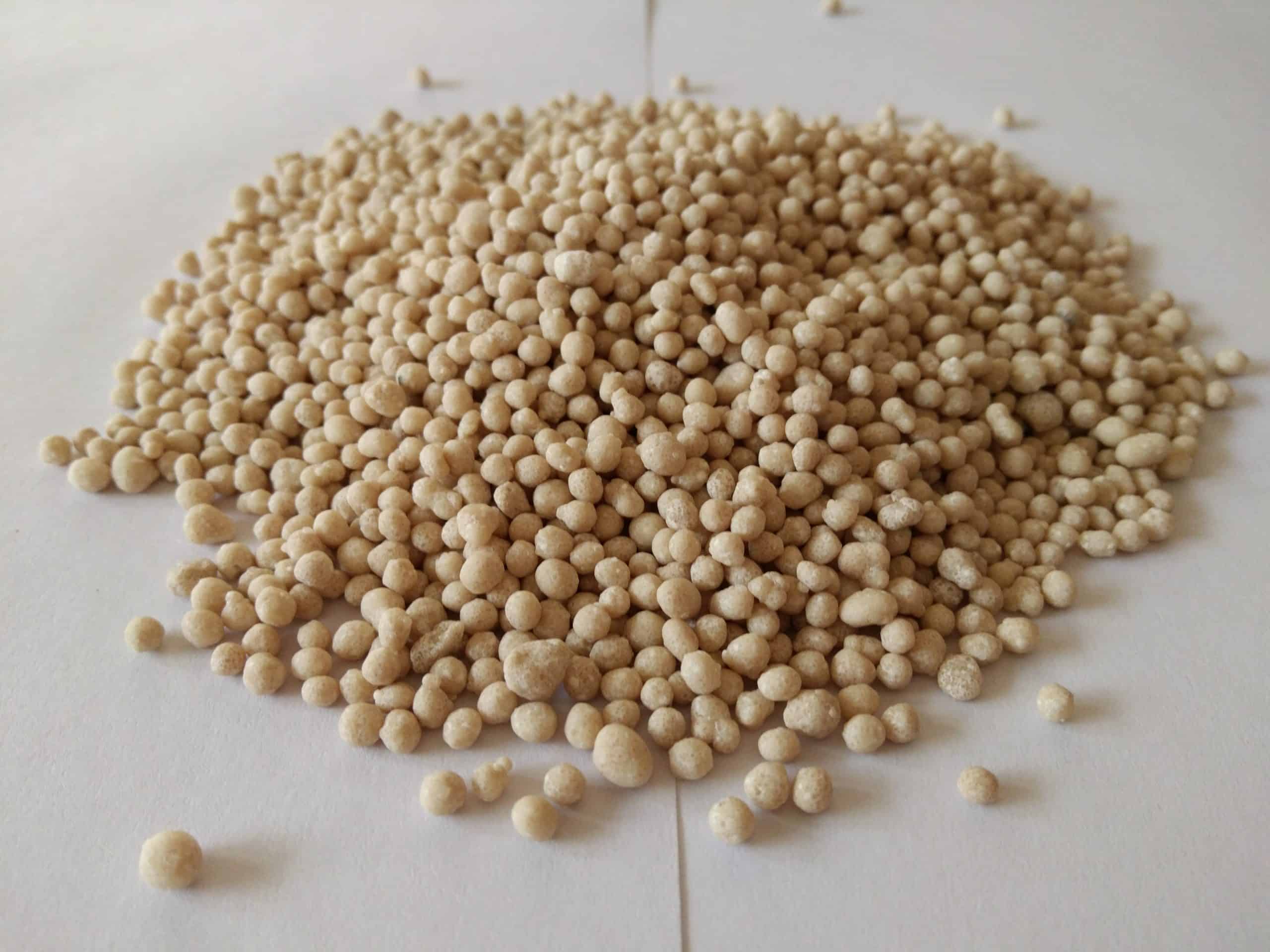
Figure 4 – An image of the produce of dry granulators
Dry granulators produce granules without liquid solution. This simply means that the products or results would be free from any type of moist and wetness; moreover, it will appear to be more compacted and condensed than products from wet granulators.
To help you with it, the most common products and materials dry granulators can help you with or they can produce are:
- Tablets
- Pills
- Medicines
- Animal Feeds
- Fertilizers
- Powders
- Processed Food
- Sugar and Candies
NOTE: These aren’t everything, but the ones listed above are the most common, taken from businesses that actually use dry granulators.
What Are the Factors That Affect Rates and Sizes of Granules?
There are several factors and pointers that affect the measurements, sizes, and rates of the granule production, and they are:
- Machine Feed Rate
- Roller Speed
- Design of the Roll
- Sizes of the Input Particles
- Cohesiveness, Density, and Flow Characteristics of the Powders
- Type of the Machine
- Diameter of the Die
- Slugging Pressure
- Tooling Features
- Feed Frame
- Feed Hopper
- Pressure of the Slugging
What Are the Different Sub-Class of Dry Granulators?

Figure 5 – Dry granulators have different types, but they work and function the same
The two (2) sub-categories of dry granulators are slugging and roller compaction.
Slugging is the type of dry granulation where large slugs or tablets are produced via the tableting procedure. The end product will be compressed and tightly compacted with each other.
Roller compaction, on the other end of the funnel, is the sub-category of dry granulation where powders are bumped and compacted between two (2) rollers that are counter-rotating with each other forming flakes or ribbons.
These are two (2) separate categories that fall under the dry granulation category but are different in terms of processes, factors, and results!
Advantages and Benefits of Dry Granulators
Dry granulation is one of the few-most sought-after processes because of how energy-efficient, electricity-saving, and less hassle it is to do than wet granulation. However, there are certain points that are up for discussion that makes them extensively and exclusively advantageous and beneficial:
- It does not require an awfully large floor space for operations
- The products’ mechanical strengths are all uniform
- Cleaning, maintaining, replacing, and repairing can be done without hassle
- It does not require the addition of heat and moisture in the process
Cons and Disadvantages of Dry Granulators
While we know of its pros and advantages, there are also some not-so-good and non-advantageous factors and these are:
- Dry granulators rarely have > 90% color distribution
- Dust and other unwanted nanoparticles could be produced even if you have a controlled environment
- Cross-contamination is one of the worst things that could be a side-effect of using a dry granulator
- The poor compressibility of substances can lead to the particles sticking to the rollers or the medium being used
There are cons or disadvantages, yes, but as you can see, the pros and advantages power and outweigh the cons.
Where Can You Get High-Quality Dry Granulators?
Dry granulators aren’t like the typical industrial machine you can see in factories – they are specialized; they serve a unique and rare purpose. When choosing a dry granulator, you need to make sure that you are delving and meddling with the right manufacturer because low-quality dry granulators aren’t just bad for the inventory – they can endanger the quality of the products you’re offering, too.
So, if you want a dry granulator that has been tested by multiple companies, businesses, and organizations – if you want licensed and certified granulators, you will never regret your decision of choosing us here at Yinda Machinery for it.
Our expertise in the industry of powder handling and processing led us to be China’s top manufacturer of whatever powder handling machine or equipment you need.
Why You Should Choose Us
There are hundreds, if not, thousands of manufacturing companies out there that are in the same calibre as us – why should you choose us?
- We are a company that has been specializing in machines and equipment for the past decade
- All our products are tested and assessed before delivery – we also have pre-sales and after-sales support
- You can customize and redesign your dry granulator orders depending on how you want them to be
- We are a diverse company and we can take advantage of this knowledge to help you get the perfect machines for your projects
Yinda Machinery is the best dry granulator manufacturer you will ever encounter in the market. Other than dry granulators, though, you can also consider us as your go-to if you ever need other similar machines and equipment like V mixers, trough mixers, vibro sifters, coarse crushers, bin blenders, and many more!
Contact us and get a free quotation of the dry granulator orders you need!