
Industrial processing plants rely heavily on high-performance grinding equipment to produce fine, uniform powders. Whether used in food, pharmaceutical, chemical, or mineral industries, a well-maintained powder grinding machine ensures consistent output quality, operational safety, and long service life.
At Yinda Machinery, we design advanced Industrial Powder Grinding Machine systems built for durability and efficiency. However, even the most robust equipment requires proper daily maintenance to perform at its best.
This guide outlines essential maintenance practices that help prevent downtime, reduce repair costs, and maximize productivity.
Why Daily Maintenance Matters
Routine care is not just a recommendation — it is critical for maintaining stable production. Without proper upkeep, grinding machines may suffer from reduced efficiency, overheating, excessive wear, or unexpected breakdowns.
Regular maintenance helps to:
- Maintain consistent particle size and product quality
- Extend equipment lifespan
- Reduce energy consumption
- Prevent costly emergency repairs
- Improve workplace safety
Overworked or poorly maintained mills can experience accelerated wear and shortened service life, highlighting the importance of routine care.
1. Clean the Machine Thoroughly After Each Use
Because grinding equipment comes into direct contact with raw materials, cleanliness directly impacts product purity and machine performance.
External Cleaning
Wipe the outer surfaces using a dry or slightly damp cloth to remove dust and residue. Avoid harsh chemicals that could damage protective coatings.
Internal Cleaning
Open accessible components such as the crushing chamber, screens, and air ducts to remove accumulated material. Residual powder buildup can lead to contamination, reduced efficiency, and blockages.
Cleaning should be done carefully — excessive water may damage electrical parts and motors.
2. Inspect Key Components Before Operation
A quick inspection before starting your Industrial Powder Grinding Machine can prevent major failures.
Check the following:
- Power connections and wiring
- Bolts, nuts, and fasteners
- Belts and couplings
- Feeding system
- Dust collector condition
- Presence of leftover material inside the chamber
Loose components or accumulated material should be corrected before startup to ensure safe operation.
3. Monitor Bearings and Temperature

Bearings are among the most critical parts of any powder grinding system.
During operation:
- Monitor bearing temperature regularly
- Stop the machine if temperature rises abnormally
- Investigate causes such as lubrication issues or overload
Excessive heat can lead to severe mechanical damage and unexpected shutdowns.
4. Lubricate Moving Parts Properly
Proper lubrication minimizes friction, prevents wear, and ensures smooth operation.
Key lubrication points include:
- Bearings
- Gearboxes
- Transmission systems
- Feed mechanisms
- Rotating shafts
Use manufacturer-recommended lubricants only, and avoid over-lubrication, which can cause overheating or contamination.
Regular lubrication significantly extends equipment life and reduces mechanical stress.
5. Check Wear Parts Frequently
Grinding machines operate under high mechanical stress, causing gradual wear of certain components.
Inspect regularly:
- Grinding blades or hammers
- Liners and rings
- Screens
- Rollers and discs
- Mounting plates
Worn parts reduce productivity and lead to coarser output. Timely replacement ensures consistent powder fineness and machine efficiency.
6. Maintain Airflow and Dust Collection Systems
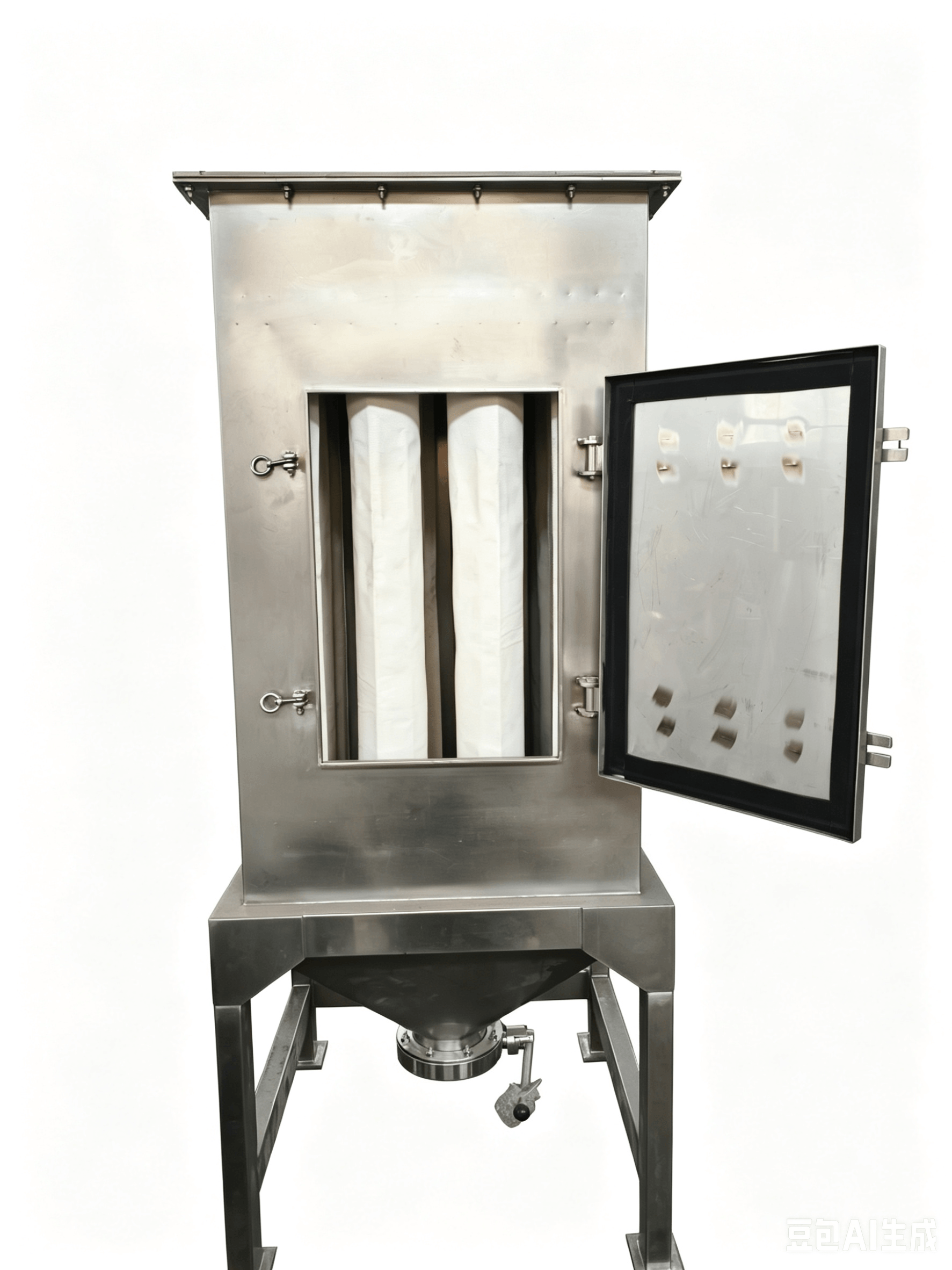
Efficient airflow is essential for fine powder processing.
Daily checks should include:
- Filter bag condition
- Air pressure levels
- Fan operation
- Pipeline sealing
- Dust collector performance
Damaged filters or air leaks can reduce output, increase energy consumption, and create environmental hazards.
7. Ensure Proper Belt Tension and Transmission Health
Drive belts may stretch over time, especially in new machines. Incorrect tension can cause slippage, vibration, or reduced grinding efficiency.
Inspect belts for:
- Cracks or wear
- Proper alignment
- Correct tightness
Adjust as needed to maintain stable power transmission.
8. Keep the Operating Environment Clean and Dry
Environmental conditions significantly affect machine performance.
Best practices include:
- Avoid outdoor exposure to rain or direct sunlight
- Keep the working area dry
- Prevent corrosive gases from contacting the machine
- Remove dust buildup regularly
Moisture and corrosion can damage metal surfaces and electrical systems, leading to premature failure.
9. Follow Proper Shutdown Procedures
Correct shutdown is just as important as startup.
Recommended steps:
- Stop material feeding
- Allow the machine to run until the chamber is empty
- Shut down motors in the correct sequence
- Disconnect power supply
- Clean the equipment
Proper shutdown prevents material hardening inside the machine and reduces startup load during the next operation cycle.
10. Maintain a Preventive Maintenance Schedule
Daily care should be part of a broader preventive maintenance program that includes weekly, monthly, and annual inspections.
Key elements of a maintenance plan:
- Maintenance logs and records
- Scheduled lubrication
- Periodic part replacement
- Safety checks
- Performance monitoring
A structured schedule helps detect issues early and ensures continuous, reliable production.
Why Choose Yinda Machinery for Powder Grinding Solutions?
Yinda Machinery specializes in designing high-efficiency powder grinding machine systems tailored to diverse industries. Our equipment combines robust construction, precision engineering, and user-friendly operation to deliver superior grinding performance.
With proper maintenance, a Yinda Industrial Powder Grinding Machine can provide:
- Long operational lifespan
- Stable and uniform powder quality
- High production efficiency
- Low maintenance costs
- Safe and reliable operation
Final Thoughts
Daily maintenance is the foundation of reliable grinding performance. By implementing proper cleaning, inspection, lubrication, and monitoring routines, operators can maximize the efficiency and longevity of their equipment.
Investing a small amount of time in routine care today prevents major problems tomorrow — ensuring your industrial grinding operations run smoothly, safely, and profitably.