
The Perfect FAQ Guide
If you initially thought that these pharmaceuticals grinding machines are exclusively for businesses and companies in the pharma industry, think again!
This label or moniker has been coined because of the fact that pharmaceutical companies are one of the industries considered the most users of these types of equipment.
In this FAQ guide, we will be giving you a complete and a comprehensive guide in understanding pharmaceuticals grinding machines more!
Contents
- What is a Pharmaceuticals Grinding Machine?
- What Machines Are Used For Grinding Powders in the Pharmaceutical Industry?
- Types of Mills Used in the Pharmaceutical Industry
- Can You Use Pharmaceutical Grinding Machines in Other Industries?
- What Are Micronization Machines?
- Difference Between Milling and Micronization
- Parts of Pharmaceuticals Grinding Machines
- Where to Buy the Best Pharmaceuticals Grinding Machines
- What Pharmaceuticals Grinding Machines Can Yinda Machinery Offer?
- Why Yinda Machinery is the Best Pharmaceuticals Grinding Machine Supplier
What is a Pharmaceuticals Grinding Machine?

Figure 1 – A pin mill, one of the most effective pharmaceuticals grinding machines
A Pharmaceuticals grinding machine is basically a powder processing or powder handling device that’s particularly used for grinding ingredients and components of the pharmaceuticals industry.
Generally, it’s the machine that’s used to grind up or to mash minerals to turn them into powders, which are then combined and processed to be used as medication.
What Machines Are Used For Grinding Powders in the Pharmaceutical Industry?

Figure 2 – A complete pharmaceuticals grinding machine set
Contrary to popular belief, there’s not a single type of grinding machine that’s used in the industry.
As a matter of fact, you’ll be able to find multiple types and kinds of machines that you can use as grinders for ingredients and components in the pharmaceuticals industry.
The most common ones include:
- Pin mill grinders
- Hammer mill pulverizers
- Ball mills
- Air classifier mills (ACMs)
- And many more!
When it comes to blending and mixing, though, the usual equipment that you will encounter would be V shaped blenders and mixers, double cone blenders, drum mixers, and 3D or 3-dimensional mixers!
Now, let’s take a closer look at the different types and kinds of mills that are used as pharmaceuticals grinding machines.
Types of Mills Used in the Pharmaceutical Industry
As we mentioned above, there’s actually not a singular type of pharmaceuticals grinding machine in the market. You will be able to use many different types of mills for the grinding and the breaking down process of particles and powders.
While all mills are considered useful, there are particular sets of mills that are commonly used in the industry, these mills include:
Hammer Mill Pulverizers

Figure 3 – A hammer mill pulverizer machine
One of the most common types and kinds of milling equipment in the market, hammer mill pulverizers are versatile equipment that utilizes the principle of size reduction using hammer mills.
They’re considered common and customary because of the fact that they’re able to produce a vast array of powders and particles.
You can use hammer mill pulverizers either as a fixed type of grinding or milling machine or a free-swinging type.
Air Classifier Mills
Air classifier mills are among the most common and the most used grinding machine in the pharmaceutical sector.

Figure 4 – An air classifier mill (ACM) machine
Due to the accuracy and precision that they have, you can be given the guarantee and the assurance that the products and results of your grinding would be precise and uniform.
Rotary or Oscillating Mills
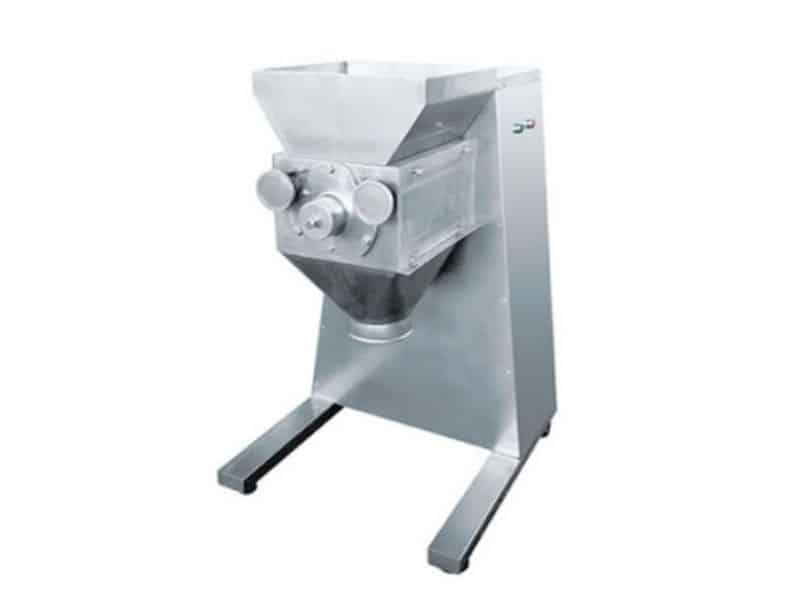
Figure 5 – A rotary or oscillating mill
These types of mills are comprised of an oscillating bar with a woven wire screen. In this process, the material is forced through the mesh screen by the rotary motion of the bar.
It’s one of the best types of milling equipment in the market because of its ability to produce and create uniform sizes.
Thanks to the narrow size distribution that it has, you will not have any type of problem or trouble in producing uniform particles and sizes.
While these three (3) are the most common equipment used as pharmaceuticals grinding machines, the choices aren’t limited to them. There are others, but those would be far less relevant and less used compared to these.
Can You Use Pharmaceutical Grinding Machines in Other Industries?
A lot of people think that just because it’s tagged as “pharmaceuticals grinding machine,” it’s already not eligible to be used in other business sectors and industries, when in fact, it’s just a title!
Yes, you can actually use pharmaceuticals grinding machines in other business sectors and industries, too, especially those that need and require fine powders and particles.
Other business industries and sectors where you can use it on include the chemical industry, the cosmetics industry, the food industry, the animal feeds industry, the construction industry, the manufacturing industry, and many more!
What Are Micronization Machines?
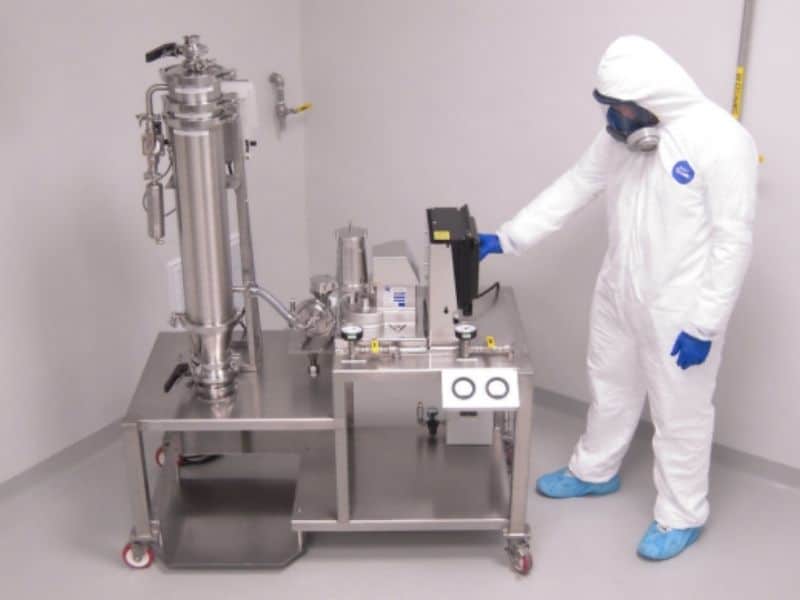
Figure 6 – An advanced and high-tech micronization machine
To understand it better and with more accuracy, it is important and imperative to know what the process of micronization is.
In the best and simplest terms, micronization is the procedure of decreasing or reducing the average size or diameter of particles. It’s a general term used because its main and primary purpose is to “micronize” or to shrink or to transform into a smaller or finer particle.
Techniques and processes that are used for micronization include grinding and milling.
Therefore, we can carefully come up and arrive at the conclusion that micronization machines and equipment are grinding or milling machines.
Alternatively, processes that use supercritical fluids can also be used for micronization.
For you to grasp it better and more effectively, here are some of the primary differences between micronization and milling…
Difference Between Milling and Micronization
Micronization can simply be defined as the process used to reduce and decrease the diameter or the size of particles. This is the jargon that’s mostly used and termed in the pharmaceuticals and the chemical industry.
Milling, on the other hand, is a process that uses mechanical techniques and processes to reduce the size, typically through milling or grinding. The mechanics of milling would be shearing and crushing to reduce the size or the diameter of a given particle.
Parts of Pharmaceuticals Grinding Machines
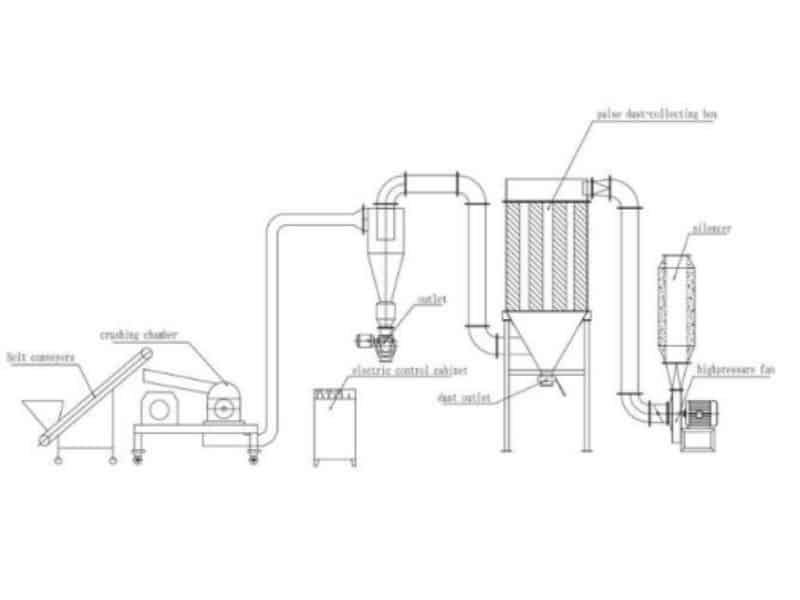
Figure 7 – Parts and components of pharmaceuticals grinding machines
While there are a lot of types of pharmaceuticals grinding machines, their parts and components wouldn’t be too far from one another.
For this, we will be enumerating the components that should always be included regardless of the type of pharmaceuticals grinding machine it is.
Feeder or Feed Inlet
This is the part or the component that starts and initiates the entire process. This is where the products and materials are fed into the machine for the operation or the procedure required.
Crushing Chamber
The crushing chamber is where the work happens – without it, then the powders or the particles would just flow down from the hopper or the feed inlet down to the discharge port or the product outlet component.
Control System or Control Box
Control boxes serve as the brain and the overall control component of the machine. It’s where you can set the speed, the time of how long you want it to operate, as well as the fineness of the products that you want.
Motor
Then, the part or the component that’s attached to the control system or the control box is the motor. Just like any other automatic device, the motor is what’s responsible for the continuous processing or operating of the device.
Discharge Port or Product Outlet
And lastly, the discharge port or the product outlet is the part or the component that allows the exit of the particles or products from the machine.
NOTE: Remember, not all pharmaceuticals grinding machines have all these. There are some that have more than these, some which have less.
Where to Buy the Best Pharmaceuticals Grinding Machines
For over a decade, both local and international pharmaceutical companies run to us here at Yinda Machinery for the grinding machines that they need.
We’re trusted and banked on in the industry due to the fact that we are able to produce high-quality pharmaceutical grinding machines that businesses like you need!
What Pharmaceuticals Grinding Machines Can Yinda Machinery Offer?
Being the best in the industry, we can give you the guarantee and the assurance that we can produce custom pharmaceuticals grinding machines that befit what you need.
You can count on us to manufacture pin mill grinders, hammer mill pulverizers, air classifier mills, trough blenders and grinders, and many more!
In case you’re interested to know more about what other products we can offer, feel free to shoot us an email or to send a chat! Alternatively, you can also dial our hotline or call us on WeChat or all available media channels!
Why Yinda Machinery is the Best Pharmaceuticals Grinding Machine Supplier
- We prioritize our clients’ businesses – we consider it ours business too
- Yinda Machinery is employed with the best and the most talented engineers and experts
- We can produce a high volume of pharmaceuticals grinding machines for you
- We will give you a free observation or a free assessment on what the best grinding machine type for you is!
Work with us and never worry about where you can get the best grinding machines ever again! Even if you’re not in the pharmaceutical industry, say, you’re in a sector related or connected to it; we can assist you in finding the right machine or equipment for you, too!