
How an Air Classifier Mill Ensures Ultrafine and Uniform Particle Size After Sulfur Grinding
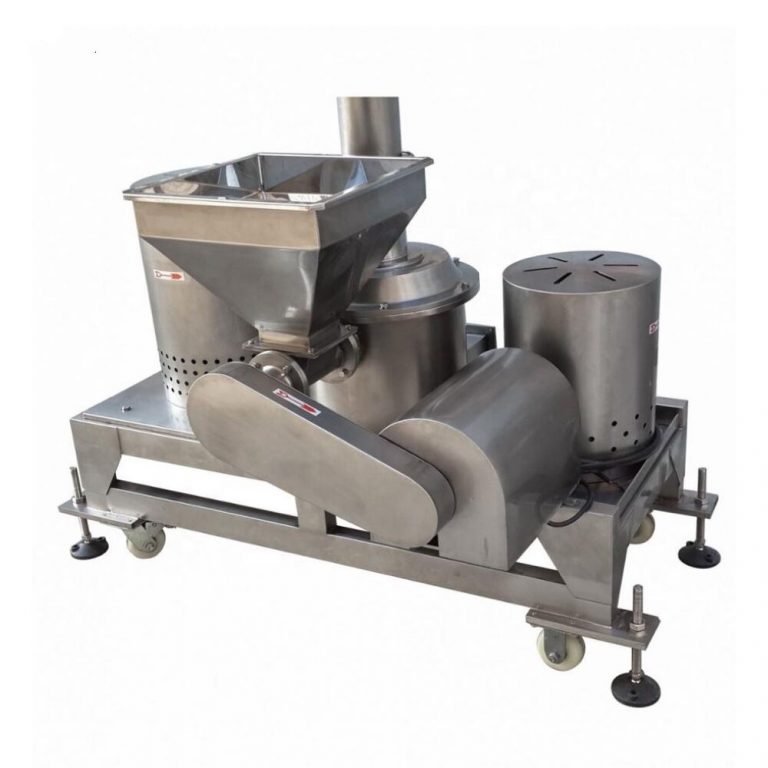
An air classifier mill is one of the most efficient solutions for achieving ultrafine and uniform particle size in sulfur grinding applications. By combining high-speed impact grinding with dynamic air classification, this advanced air classifier mill machine ensures tight particle size distribution, minimal overgrinding, and consistent product quality.
For engineers and procurement professionals, understanding how airflow dynamics, rotor design, and classifier performance work together is critical when selecting the right equipment. At Yinda Machinery, air classifier mills are engineered with precision control systems and optimized configurations to meet demanding sulfur processing requirements across chemical and industrial sectors.
Introduction to Air Classifier Mills and Their Role in Ultrafine Grinding
An molino clasificador de aire integrates two essential processes into a single system: grinding and classification. Unlike traditional mills that rely solely on mechanical force, this system uses a combination of impact energy and controlled airflow to achieve ultrafine grinding results.
The core principle is simple yet powerful:
-
- Material is fed into a grinding chamber
-
- High-speed rotating elements reduce particle size
-
- A built-in classifier separates fine particles from coarse ones
-
- Only particles meeting the target size are discharged
This continuous loop ensures that the final product meets strict particle size requirements without the need for external screening equipment.
For sulfur grinding—where precision, safety, and uniformity are critical—this technology offers a significant advantage over conventional milling systems.
-
- Consistent ultrafine particle size
-
- Narrow particle size distribution
-
- Reduced overgrinding
-
- Energy-efficient operation
-
- Enhanced safety with explosion-proof design
-
- Chemical manufacturing
-
- Rubber and tire production
-
- Fertilizers and agrochemicals
-
- productos farmaceuticos
-
- Industrial processing
How Air Classifier Mills Achieve Ultrafine and Uniform Particle Size in Sulfur Grinding
Sulfur is a soft yet sensitive material that requires careful handling during grinding. It is prone to heat buildup, agglomeration, and dust-related hazards. An air classifier mill machine addresses these challenges through a controlled and efficient grinding process.
1. Integrated Dynamic Classification
The defining feature of an air classifier mill is its internal classifier wheel, which rotates at adjustable speeds. This component:
-
- Separates fine particles from coarse ones in real time
-
- Prevents oversized particles from exiting the system
-
- Maintains a narrow particle size distribution
At Yinda Machinery, classifier speed is precisely controlled to achieve micron-level accuracy, ensuring consistent sulfur powder quality.
2. High-Speed Impact Grinding
Inside the grinding chamber, sulfur particles are subjected to:
-
- Rotor-driven impact forces
-
- Particle-to-particle collisions
-
- Shear forces from high-velocity airflow
This multi-mechanism grinding approach allows the mill to produce ultrafine particles efficiently without excessive energy consumption.
3. Controlled Airflow System
Airflow plays a crucial role in both grinding and classification:
-
- Carries particles through the system
-
- Removes heat generated during grinding
-
- Enhances separation efficiency
Yinda’s air classifier mill designs optimize airflow paths to reduce turbulence and improve classifier performance, which is essential for sulfur applications.
4. Closed-Loop Processing
Coarse particles are automatically recirculated for further grinding until they meet the desired size. This ensures:
-
- Zero bypass of oversized particles
-
- Consistent product uniformity
-
- Improved yield and reduced waste
Key Design Features of an Air Classifier Mill Machine
-
- Variable-speed rotor for adjustable grinding intensity
-
- Precision classifier wheel for tight particle size control
-
- Wear-resistant materials for long service life
-
- Enclosed systems minimize exposure to external contaminants
-
- Stainless steel construction (common in Yinda machines) supports hygienic processing.
-
- Adjustable airflow rates
-
- Efficient heat dissipation
-
- Reduced particle agglomeration
-
- PLC or HMI-based controls
-
- Real-time monitoring of parameters
-
- Easy adjustment of particle size targets

Choose the Right Partner for Precision Grinding
Selecting the right air classifier mill is essential for achieving consistent, high-quality sulfur powder. From airflow control to classifier precision, every design element plays a role in ensuring ultrafine and uniform particle size.
Yinda Machinery stands out as a trusted manufacturer, offering advanced air classifier mill machines designed for performance, safety, and reliability. Whether you are upgrading an existing line or setting up a new sulfur grinding process, Yinda provides tailored solutions to meet your needs.
Contact Yinda Machinery today to explore customized air classifier mill solutions and improve your production efficiency.
Need a Suitable Air Classifier Mill?
If your goal is precision, efficiency, and reliability, a well-designed air classifier mill is the best investment for sulfur grinding and similar applications.
With advanced engineering, customizable configurations, and strong industry experience, Maquinaria Yinda delivers high-performance air classifier mill machines tailored to your exact processing needs.
Related Articles
How to Choose a Mushroom Powder Grinding Machine
Compare hammer mills and ACM mills for different target mesh ranges and product needs.
Low-Temperature Grinding for Food Powders
Why temperature control is critical for aroma, flowability, and product stability.
Complete Powder Processing Line Solutions
Integrated grinding, conveying, sieving, and packing systems for food powder production.