
Wet Granulation vs. Dry Granulation
The choice between wet granulation and dry granulation depends on the specific requirements of the formulation, the properties of the active pharmaceutical ingredients (APIs), and the desired characteristics of the final product. Here is a brief introduction to help you know it better, which is based on Yinda Granulation Machines.
Firs, let us share the related granulator machines with you:
Wet Granulation:
- Yinda YDYK series Wet Granulation Oscillating Granulator
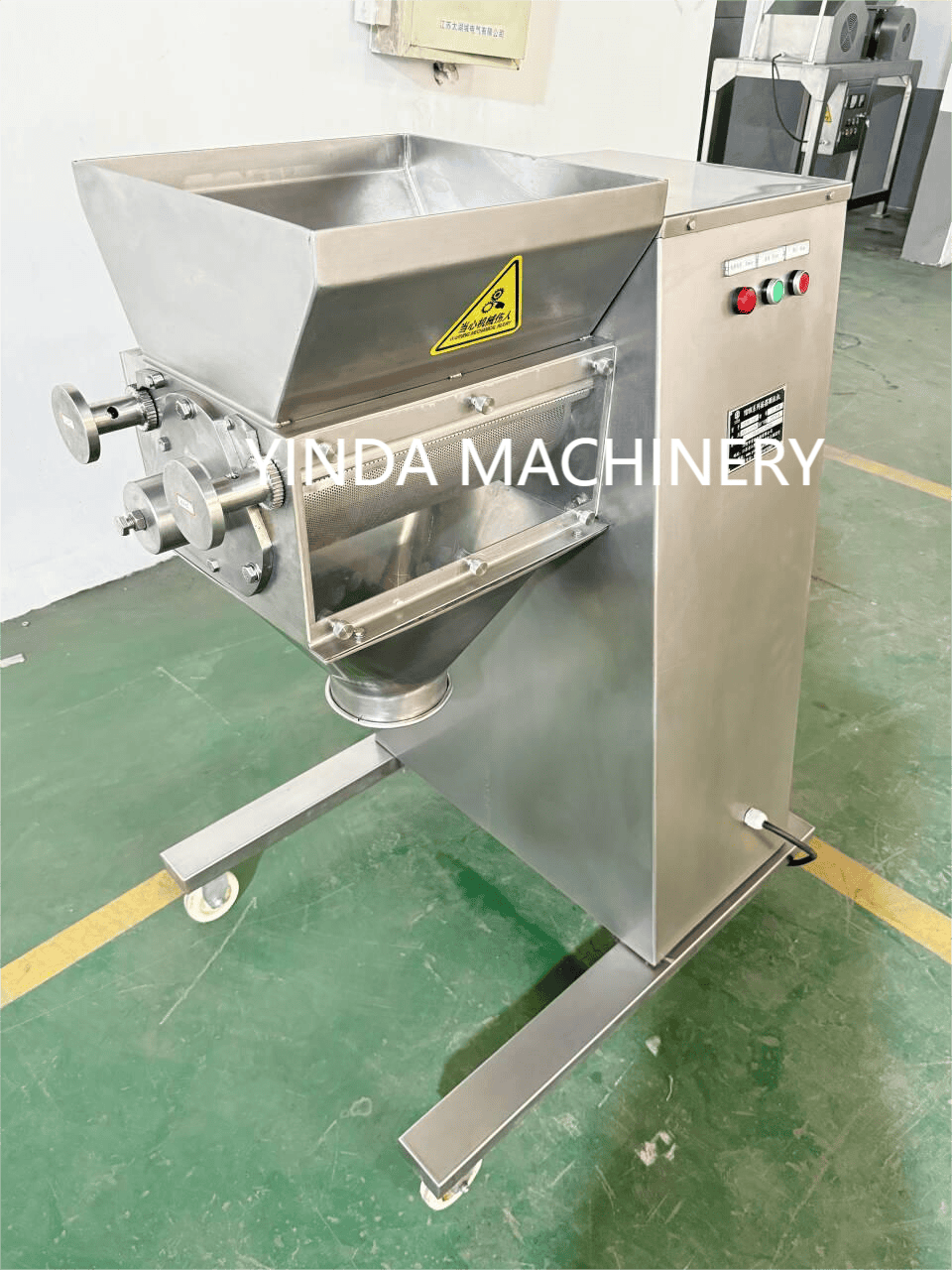
Video link for click:
https://www.youtube.com/watch?v=Ra0SS74cyFY
- Yinda YDSZ series Wet Granulation HighCisalhamento Misturador Granulator

Video link for click:
https://www.youtube.com/watch?v=A8kOhYNyqas
Dry Granulation:
- Yinda YDGK series Dry Granulator Machine

Video link for click:
https://www.youtube.com/watch?v=fRPv0iCt6qU
Let’s to learn more about the two granulation methods advantages and disadvantages
- Granulação úmida
Wet granulation is often more suitable for the API has poor flowability or compressibility. By adding a binder and forming granules, the powder mixture becomes more cohesive, making it easier to fill capsules consistently and tablets compress.
Vantagens
- Improved flow-ability granules created via wet granulation have better flow properties, which ensures accurate and consistent capsule filling.
- Uniform blend the wet granulation process allows for better distribution of the API, leading to consistent dosages in each capsule.
- Enhanced stability it can help stabilize sensitive API by reducing segregation and ensuring a homogenous mixture.
- Improved Binding The use of a liquid binder in wet granulation ensures stronger granules, which helps in forming robust and uniform tablets.
- Better Content Uniformity Wet granulation provides better distribution of the API, leading to consistent dosage units.
- Controlled Release It can be used to incorporate controlled-release features into the tablet by modifying the binder.
Desvantagens
- Moisture sensitivity is not suitable for API or excipients that are sensitive to moisture.
- Longer processing time requires drying steps, which can extend the production processand cost
- Granulação Seca
The dry granulation is ideal when the API is moisture-sensitive or heat-sensitive, as no liquid binder is used. It is also a faster and less complex process compared to wet granulation.
Vantagens
- No moisture required suitable for moisture-sensitive APIs, as it doesn’t need any liquid.
- Quick processing faster than wet granulation, as there is no need for drying.
- Reduced cost fewer processing steps make it a cost-effective option.
- Suitable for large batches, can be scaled easily for large-scale production.
Desvantagens
- Less cohesive granules, the granules may have poorer flow properties compared to those produced by wet granulation, potentially leading to issues during capsule filling.
- Limited to certain APIs, not ideal for APIs that have bad compress property or lack sufficient binding properties.
- Less Effective Binding Tablets made from dry granulation might be less dense and could have issues with disintegration and dissolution if not properly formulated.
- Limited Applications Not all APIs can be processed via dry granulation, particularly if they don’t compress well on their own.
Which Method is More Workable?
Hope the following tips can help you pick up the suitable method quickly.
For Capsules
- Wet Granulation is often more favorable if the API does not flow well or requires improved cohesion for consistent capsule filling. It’s also the go-to method when the final product needs to be highly uniform and stable.
- Dry Granulation should be chosen when the API is sensitive to moisture or heat, and if the material has good flow and compressibility properties without the need for a binder.
For Tablets
- Wet Granulation is preferred for producing strong, cohesive tablets that need precise content uniformity. It’s also more suitable for formulations that might benefit from controlled-release properties.
- Dry Granulation is a faster, cost-effective option for APIs that do not require a binder to form granules and are sensitive to moisture or heat.
To achieve precise proposal, we also recommend to consult with Yinda professional technical team, we can help you determine the most suitable granulation process for your specific formulation.
Tel (WhatsApp): +86 13914192807
The related products recommendations are as follows:
- Yinda YDLZ Fluid bed dryer
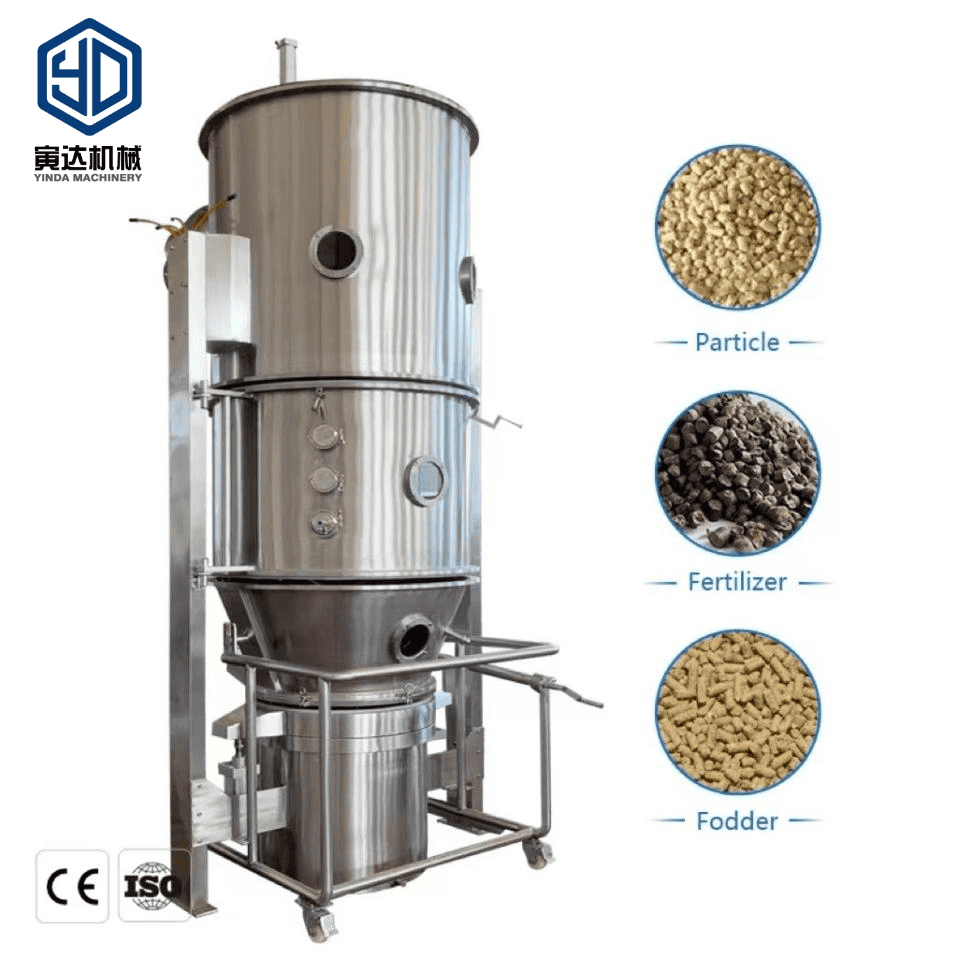
https://www.youtube.com/watch?v=sCxvNfdq87E
- Yinda YDW series double cone blender
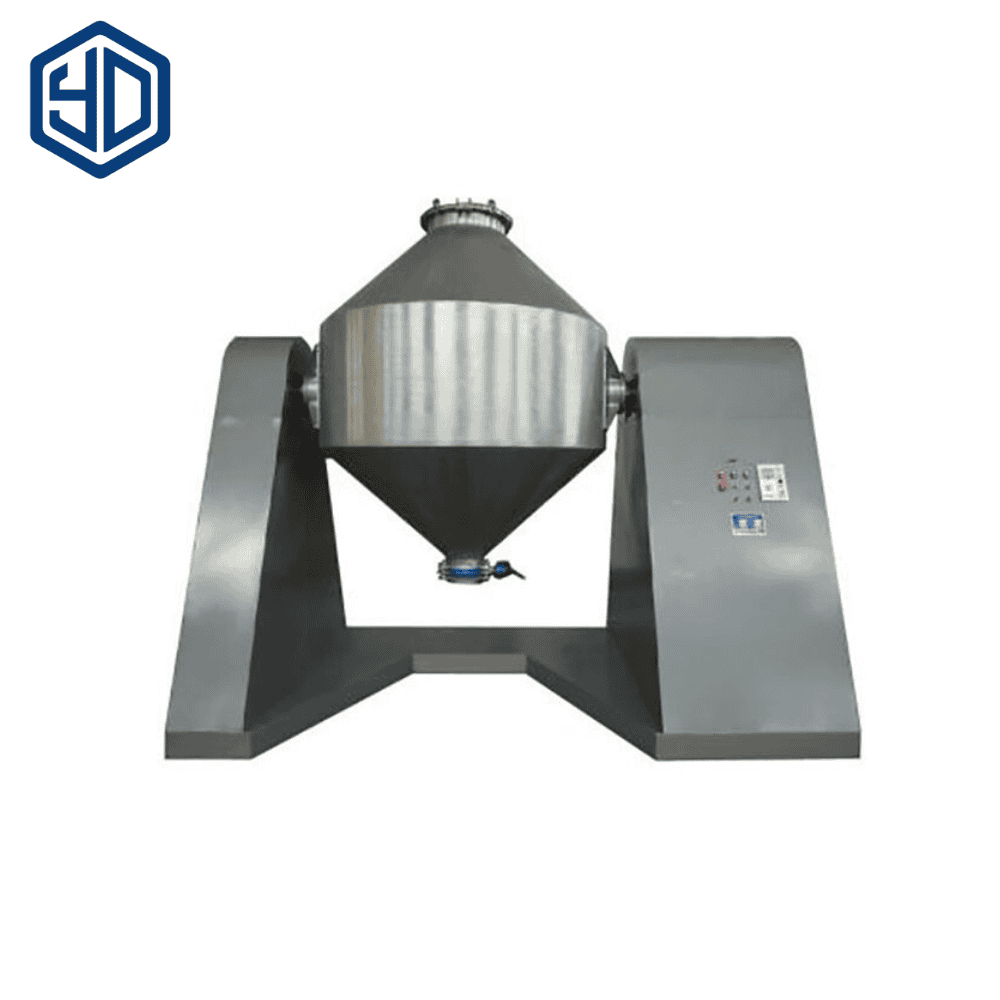
https://www.youtube.com/watch?v=LdVnA5Y01vk
- Yinda Conveying system
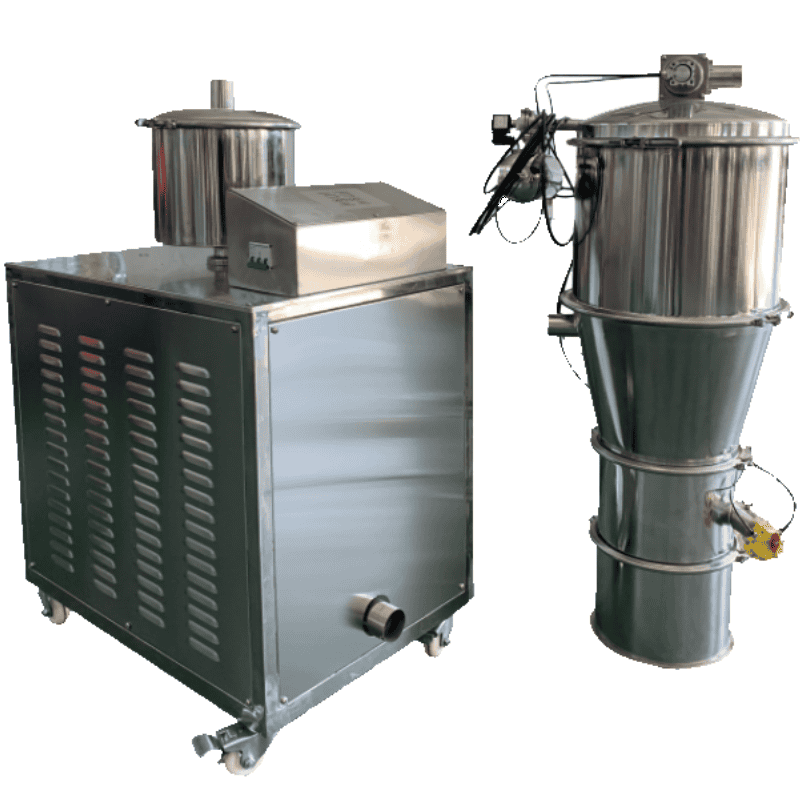
https://yindamachinery.com/conveying-system/